
10 Proven Strategies for Next-Level Work From Home Productivity in 2025
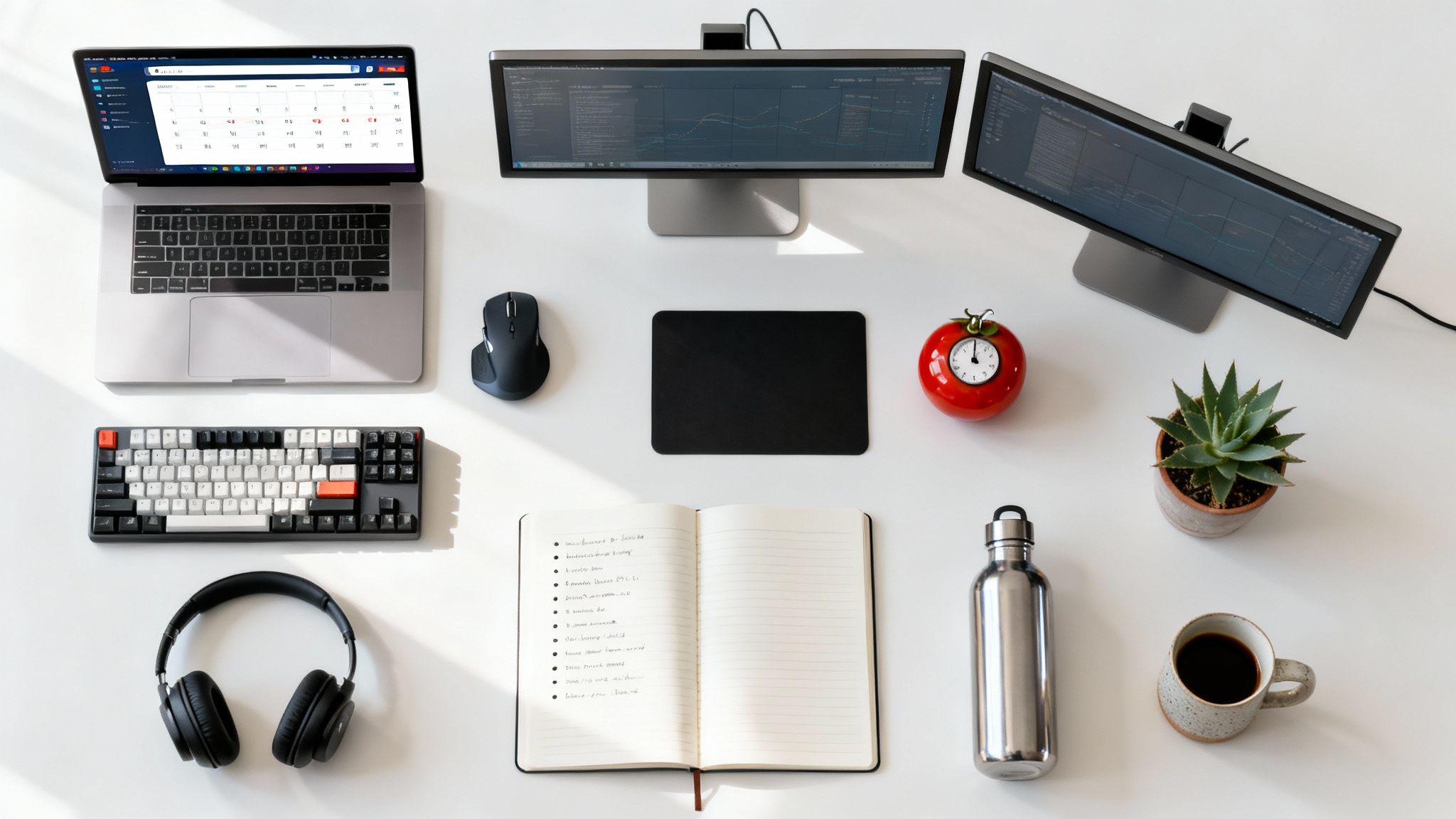
The shift to remote work has transformed from a temporary solution into a permanent career path for millions. While the flexibility is unparalleled, mastering work from home productivity is the key to thriving, not just surviving. The old rules of the office no longer apply; success now depends on intentional habits, a well-designed environment, and a mindset geared for autonomy. This guide moves beyond generic advice to provide ten specific, actionable strategies that top-performing remote professionals use to deliver exceptional results while maintaining a healthy work-life balance.
We will explore everything from structured time management systems like the Pomodoro Technique to the subtle art of designing a distraction-free workspace. You'll learn how to implement clear boundaries, leverage asynchronous communication, and set outcome-based goals that drive meaningful progress. To truly master remote work and unlock your full potential, exploring a variety of proven strategies is essential. You might find success implementing these 10 powerful workplace productivity hacks alongside the methods detailed here.
Whether you're new to remote work or a seasoned veteran, these proven methods will help you conquer distractions, optimize your workflow, and build a sustainable and fulfilling remote career. Let's dive into the practical steps you can take today to elevate your remote performance.
1. The Pomodoro Technique
The Pomodoro Technique is a powerful time management method designed to enhance focus and prevent mental fatigue, making it a cornerstone for high work from home productivity. Developed by Francesco Cirillo in the late 1980s, it uses a timer to break down work into focused, 25-minute intervals called "pomodoros." Each intense work session is followed by a short, 5-minute break.

This structure creates a rhythm of intense focus followed by deliberate rest. After completing four pomodoros, you take a longer break of 15-30 minutes. This cycle combats the endless-seeming workday and the constant digital distractions common in a remote setup. It trains your brain to concentrate for set periods, making large projects feel less daunting by breaking them into manageable chunks.
How to Implement the Pomodoro Technique
Getting started is simple. Choose a task, set a timer for 25 minutes, and work without interruption. When the timer rings, mark your progress and take a 5-minute break. Here are some actionable tips for success:
- Eliminate Distractions: During a pomodoro, your only job is the task at hand. Close unnecessary tabs, silence your phone, and let colleagues or family know you're in a focus block.
- Track Your Pomodoros: Use a simple notebook or an app like Forest or Toggl Track to log your completed pomodoros. This visual progress provides a powerful sense of accomplishment.
- Use Breaks Wisely: Step away from your screen. Stretch, get a glass of water, or walk around the room. Avoid checking emails or social media, as this can derail your mental break.
- Be Flexible: While 25 minutes is the standard, feel free to adjust. A complex coding task might benefit from a 45-minute sprint, while a creative brainstorming session might work better in a 20-minute burst. The key is consistent, focused effort.
2. Dedicated Workspace Setup
Establishing a dedicated workspace creates a crucial physical and mental boundary between your professional and personal life, a key driver for sustainable work from home productivity. This space signals to your brain that it's time to focus, helping you switch into "work mode" and minimize household distractions. It doesn't need to be a separate room; even a designated corner can be highly effective.

The psychological separation a dedicated space provides is powerful. When you physically enter your workspace, you're commuting to your job, and when you leave, you're "clocking out." This routine helps prevent work from spilling into personal time, combating burnout and improving work-life balance. Tech companies like Automattic and GitLab champion this by offering stipends for employees to create effective home offices.
How to Implement a Dedicated Workspace Setup
Creating an effective workspace is about more than just a desk and chair; it’s about designing for focus and comfort. For more ideas on how to craft the perfect environment, you can explore some of the best work from home set up configurations.
- Prioritize Ergonomics: Invest in an ergonomic chair and an adjustable desk. Brands like Herman Miller and Autonomous offer solutions that prevent physical strain during long work hours.
- Optimize Your Lighting: Position your desk to maximize natural light without causing glare. Use a good desk lamp to reduce eye strain, especially during evening hours.
- Control Your Environment: Use noise-canceling headphones or a white noise machine to block out distracting sounds. Keep your desk organized to maintain a clear and focused mind.
- Establish a "Closing" Routine: At the end of the day, tidy your desk, shut down your computer, and physically leave the space. This ritual reinforces the end of the workday.
3. Time Blocking and Schedule Batching
Time blocking is a productivity method that enhances your work from home productivity by dividing your day into dedicated time slots for specific tasks. Instead of reacting to a constant stream of demands, you proactively assign every minute of your workday a purpose. This approach is often paired with schedule batching, which involves grouping similar tasks, like answering emails or attending meetings, into a single, uninterrupted block.
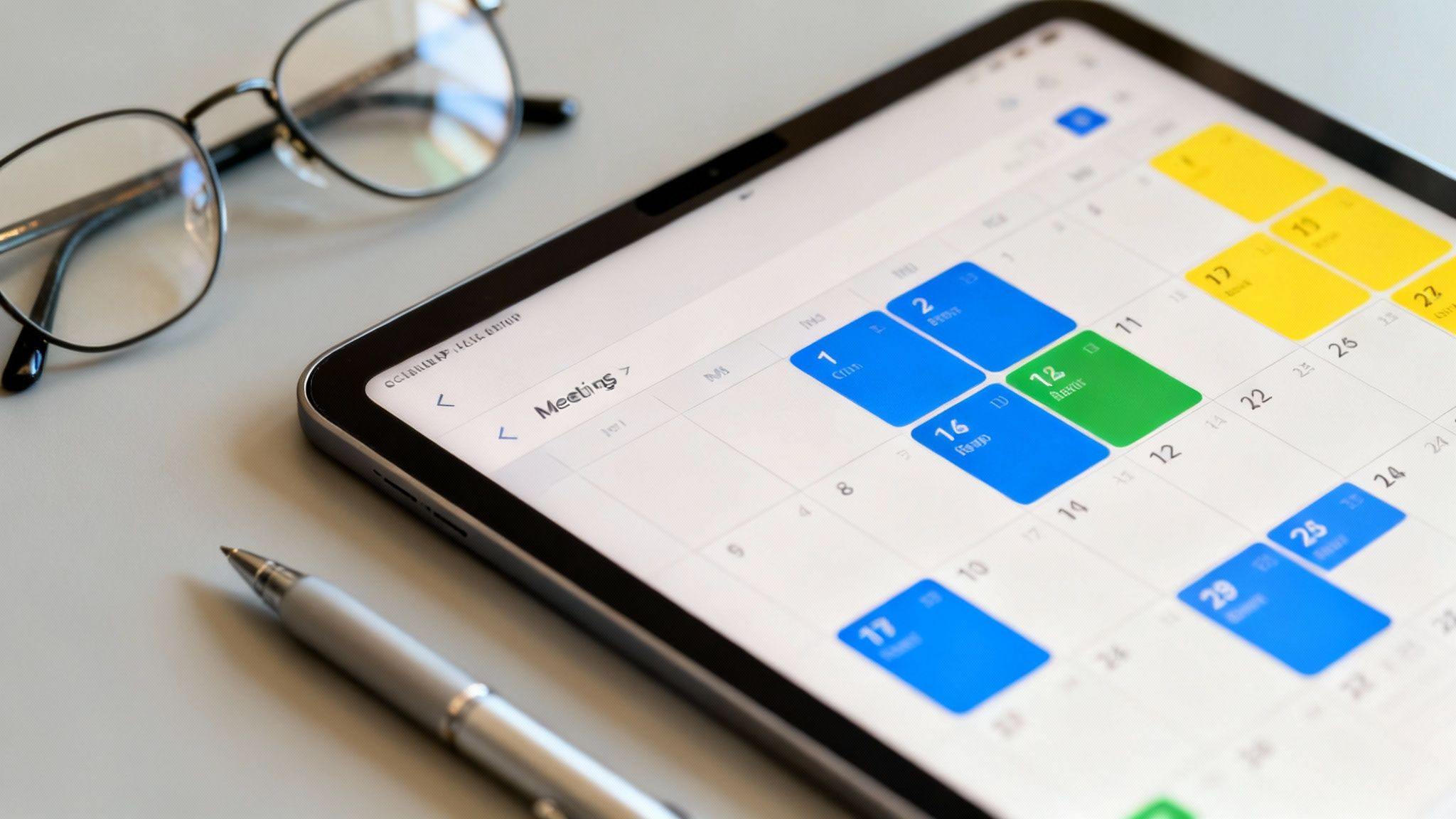
This strategy, championed by productivity experts like Cal Newport, minimizes costly context-switching and protects the focused time needed for "deep work." By creating a clear plan, you reduce decision fatigue and gain control over your schedule. It’s a powerful way to ensure that both urgent, shallow tasks and important, deep projects receive the attention they require, preventing your calendar from being fragmented by constant interruptions. For a deeper dive, explore how to build an effective work from home schedule.
How to Implement Time Blocking and Schedule Batching
To start, audit your typical day and identify your most important tasks and peak energy periods. Use a digital or physical calendar to map out your ideal schedule for the next day. To maximize efficiency, consider implementing daily planning tools to structure your day effectively.
- Color-Code Your Calendar: Assign different colors to categories like deep work, meetings, admin tasks, and breaks. This visual map helps you see your day's structure at a glance.
- Batch Your Communications: Dedicate two or three specific blocks per day solely for checking and responding to emails and messages. Avoid the temptation to check them outside these times.
- Protect Deep Work Blocks: Treat your scheduled focus time with the same respect as a client meeting. Inform your team about your availability to prevent interruptions.
- Schedule Buffer Time: Add 10-15 minute transition blocks between different types of tasks. This buffer allows you to reset mentally before diving into the next activity.
4. Asynchronous Communication Practices
Asynchronous communication is a powerful methodology where team members collaborate without the expectation of an immediate response. It prioritizes written documentation, recorded videos, and thoughtful updates over constant real-time meetings and instant messages, which is a game-changer for work from home productivity. This approach liberates teams from scheduling conflicts, especially across different time zones, and protects the long, uninterrupted periods required for deep, focused work.
Pioneered by distributed companies like GitLab and Basecamp, this model decouples productivity from presence. Instead of reacting to a constant stream of notifications, individuals can engage with communications on their own schedule. This shift fosters a more deliberate, organized, and inclusive work environment by ensuring all discussions and decisions are documented and accessible.
How to Implement Asynchronous Communication
Adopting async practices requires shifting from a "now" to a "later" mindset. It centers on creating clear, detailed messages that don't require immediate back-and-forth clarification. Here are actionable tips for success:
- Document Everything: Use a central knowledge base like Notion or Confluence to document processes, decisions, and project updates. This creates a single source of truth for the entire team.
- Embrace Video Messages: Instead of scheduling a meeting to explain a concept, record a quick video using a tool like Loom. This allows you to convey tone and context while remaining asynchronous.
- Set Clear Expectations: Establish and communicate expected response times (e.g., within 24 hours). This removes the anxiety of needing to be constantly available.
- Use Threads Religiously: In chat tools like Slack, keep conversations organized in threads. This makes discussions easy to follow and search for later without cluttering main channels.
5. Distraction Elimination and Environmental Design
A crucial element of high work from home productivity is the intentional design of your environment to minimize interruptions. Without the built-in structure of an office, your home can be filled with digital and physical distractions that derail focus. This approach involves systematically identifying and removing these diversions to create a space optimized for deep, concentrated work.
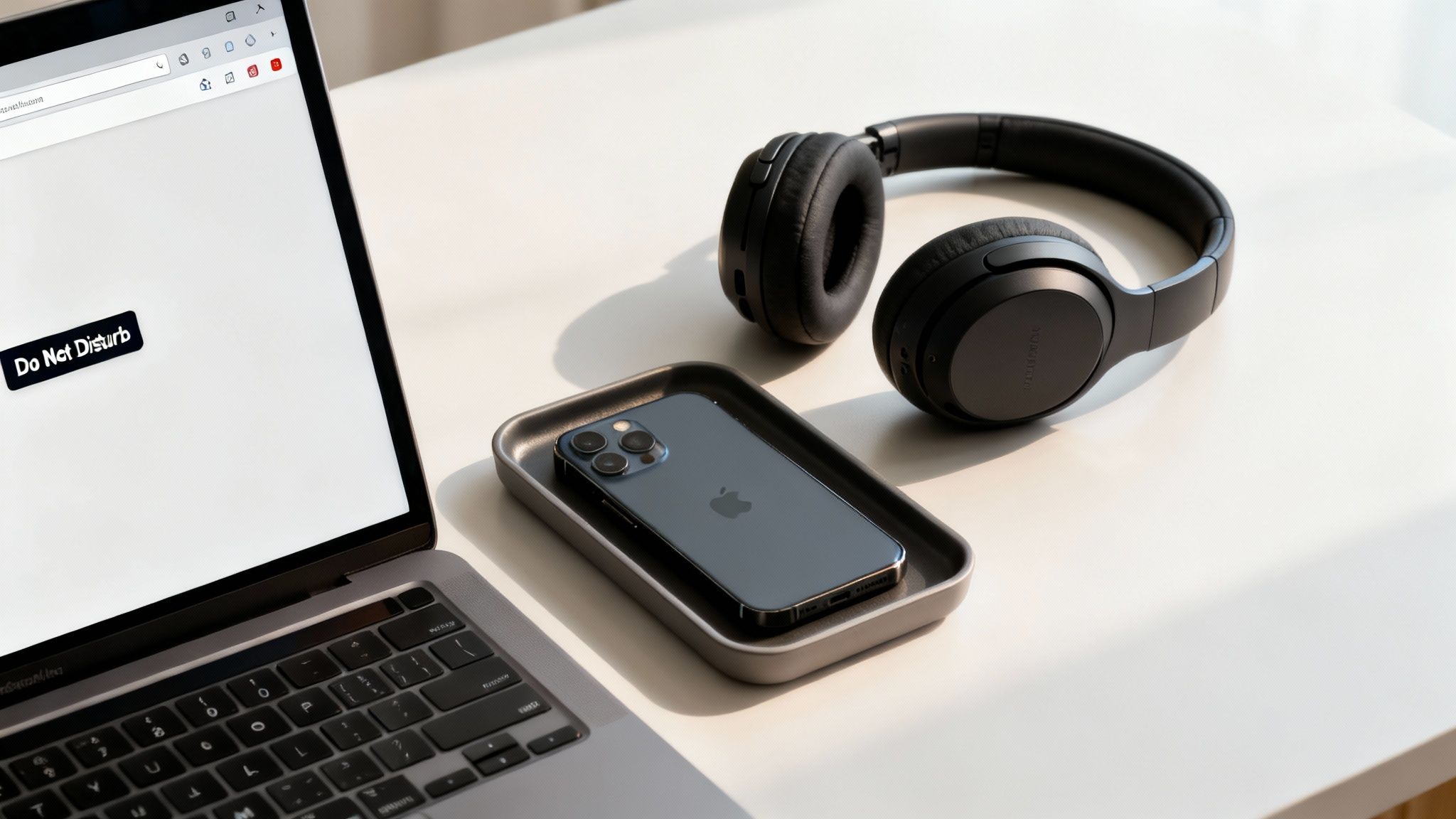
Inspired by thinkers like Cal Newport, this practice is less about willpower and more about creating an environment where focus is the default. It means proactively disabling notifications, clearing physical clutter, and communicating boundaries to family or roommates. Companies like Stripe even provide noise-canceling headphones to help employees create a personal focus bubble, acknowledging that environmental control is key.
How to Implement Environmental Design
Start by conducting a "distraction audit" of your typical day. Note what pulls your attention, then use these strategies to systematically eliminate those triggers:
- Control Your Digital Space: Turn off all non-essential notifications on your computer and phone. Use app blockers like Freedom or Cold Turkey during focus blocks to prevent access to social media or news sites.
- Create a Physical Focus Zone: Dedicate a specific area for work, even if it's just a corner of a room. Keep it tidy and free of clutter. Use visual cues like a closed door or headphones to signal to others that you are unavailable.
- Manage Communication: Set clear expectations with your team about response times. Use "Do Not Disturb" modes on communication apps like Slack and communicate your focus hours in your status.
- Batch Your Tasks: Group similar activities together. Check and respond to all your emails in one or two dedicated blocks rather than reacting to them as they arrive throughout the day.
6. Regular Breaks and Movement Integration
Integrating regular breaks and physical movement into your workday is a non-negotiable strategy for sustained work from home productivity. Unlike an office environment with its built-in movement like walking to meetings or grabbing coffee, remote work can lead to a sedentary state that drains energy and focus. This method involves intentionally scheduling short periods of rest and physical activity to combat burnout and maintain peak cognitive function.
This approach directly addresses both mental and physical fatigue. Short, frequent breaks prevent the cognitive decline that comes from prolonged focus, while movement increases blood flow to the brain, boosting alertness and creativity. Companies like Apple and Google have long championed this by designing campuses that encourage walking, a principle remote workers must replicate intentionally in their home environment.
How to Implement Regular Breaks and Movement
The goal is to make movement a natural part of your workflow, not an afterthought. Start by setting reminders and gradually build these activities into your daily habits until they become automatic. Here are some actionable tips for success:
- Follow the 20-20-20 Rule: To combat digital eye strain, every 20 minutes, look at something 20 feet away for at least 20 seconds. Use this as a micro-break to also stand up.
- Schedule Movement Blocks: Treat a 15-minute walk or a quick workout session with the same importance as a meeting. Put it on your calendar to ensure it happens.
- Use Tools for Reminders: Apps like Stretchly or the "Stand" reminder on an Apple Watch can provide the necessary prompts to get you up and moving at regular intervals.
- Create "Transition Rituals": After finishing a major task, don't just jump to the next one. Take a five-minute break to walk around your home, do some quick stretches, or step outside for fresh air. This mentally resets you for the next challenge.
7. Clear Goals and Outcome-Based Metrics
Focusing on outcomes rather than hours clocked is a fundamental shift that supercharges work from home productivity. This approach involves setting clear, measurable objectives and evaluating success based on results, not on perceived activity. By defining what success looks like upfront, you gain the autonomy to manage your schedule and workflow in the most effective way possible.
This results-oriented mindset, popularized by tech giants like Google with its Objectives and Key Results (OKRs) framework, builds trust and empowers remote workers. When your contributions are measured by their impact, the pressure to be "always online" diminishes, allowing for deeper, more meaningful work. It transforms the focus from looking busy to being effective, which is critical for thriving in an independent work environment.
How to Implement Outcome-Based Metrics
Adopting this framework requires a deliberate focus on planning and tracking. The goal is to connect every task to a larger, meaningful outcome. Here are some actionable tips to get started:
- Use the SMART Framework: Ensure every goal is Specific, Measurable, Achievable, Relevant, and Time-bound. Instead of "improve website," a SMART goal would be "increase organic website traffic by 15% by the end of Q3."
- Limit Your Objectives: Concentrate on 3-5 high-impact objectives per quarter. Spreading yourself too thin across dozens of goals is a recipe for burnout and mediocrity.
- Track Progress, Not Time: Hold weekly or bi-weekly check-ins to review progress against key results. This keeps you accountable to the outcome without micromanaging the process.
- Make Goals Transparent: Use tools like 15Five or a shared document to make individual and team goals visible. Transparency ensures everyone is aligned and working toward the same purpose.
8. Boundaries Between Work and Personal Life
One of the greatest challenges of remote work is the fusion of office and home, which can seriously undermine work from home productivity. Establishing firm boundaries between your professional and personal life is not just a preference; it is a critical practice for preventing burnout and maintaining mental well-being. This involves creating deliberate physical, temporal, and mental separations that signal to your brain when it's time to work and when it's time to rest.
Without the natural transition of a daily commute, work can easily spill into personal time, leading to a state of being "always on." By setting clear rules and rituals, you reclaim control over your schedule. This practice is supported by forward-thinking companies like Basecamp and Mozilla, which champion cultures of asynchronous work and respect for personal time, proving that strong boundaries lead to more focused and effective work periods.
How to Implement Strong Boundaries
The key is to be intentional and consistent. Clearly define what constitutes work time and space versus personal time and space, and communicate these rules to your colleagues and family. To learn more, discover practical strategies on how to separate work and personal life.
- Define Your Workday: Set strict start and end times and communicate them to your team. When the workday is over, it’s over.
- Create End-of-Day Rituals: Signal the transition from work to personal life. Close your laptop, tidy your desk, change your clothes, or go for a short walk.
- Use Separate Profiles or Devices: If possible, use a different computer or at least a separate browser profile for work. This creates a digital barrier that reduces the temptation to check work emails after hours.
- Disable Notifications: Turn off all work-related notifications on your phone and computer outside of your designated work hours. This is crucial for truly disconnecting and recharging.
9. Accountability and Regular Check-ins
Establishing a system of accountability and regular check-ins is fundamental to maintaining high work from home productivity. Without the natural oversight of a physical office, remote workers can feel isolated or lose direction. Structured check-ins with managers and teams create a feedback loop that provides clarity, support, and opportunities for course correction, ensuring everyone stays aligned and motivated.
This approach, championed by companies like GitLab and Zapier, replaces hallway conversations with intentional communication. These aren't micromanagement sessions; they are structured dialogues focused on progress, roadblocks, and well-being. Using tools like 15Five or Lattice can formalize this process, turning it into a reliable rhythm that supports both individual and team goals. This proactive communication prevents minor issues from escalating and reinforces a culture of trust and transparency.
How to Implement Accountability and Check-ins
The key is consistency and purpose. Vague, infrequent check-ins are ineffective. A structured approach ensures these meetings are valuable for both employees and managers. Here are some actionable tips for success:
- Schedule Recurring One-on-Ones: Book weekly or bi-weekly one-on-one meetings. A consistent schedule makes them a non-negotiable part of the workweek.
- Use a Shared Agenda: Create a collaborative document where both parties can add topics for discussion. Include sections for progress updates, challenges, and career development.
- Focus on Two-Way Feedback: Make these sessions a dialogue, not a monologue. Managers should listen more than they talk, focusing on understanding employee needs and removing obstacles.
- Document Action Items: End each meeting by summarizing key takeaways and next steps. This creates clear accountability and ensures that important conversations lead to tangible outcomes.
10. Professional Development and Continuous Learning
Proactively investing in professional development is a critical strategy for enhancing long-term work from home productivity. In a remote setting, opportunities for organic learning and career progression can feel less visible. A structured commitment to continuous learning combats this isolation, keeping skills sharp, boosting engagement, and directly contributing to higher quality output.
This approach involves dedicating specific time and resources to acquiring new skills, whether through formal courses, mentorship, or self-directed study. Companies like GitLab and Automattic champion this by providing generous learning budgets, recognizing that an employee's growth is a direct investment in the company's capabilities. It transforms professional growth from a background thought into an integrated part of the workweek.
How to Implement Continuous Learning
Integrating learning into your remote routine requires intention. The goal is to make skill development a consistent habit rather than an occasional activity. Here are some actionable tips for success:
- Schedule Learning Time: Block out specific times in your calendar for learning, just as you would for a meeting. This could be "Learning Fridays" or a dedicated hour each day.
- Utilize Online Platforms: Leverage subscriptions to platforms like Coursera, LinkedIn Learning, or Skillshare to access a vast library of courses relevant to your career goals.
- Establish a Learning Plan: Work with your manager to identify key skills for your role's advancement and create a clear plan to develop them. Connect these goals to performance reviews.
- Create a Feedback Loop: Share what you've learned with your team through presentations or informal "lunch-and-learn" sessions. This reinforces your knowledge and benefits your colleagues.
10-Point WFH Productivity Comparison
| Method | 🔄 Implementation complexity | ⚡ Resource requirements | ⭐📊 Expected outcomes | 💡 Ideal use cases | 📊 Key advantages |
|---|---|---|---|---|---|
| The Pomodoro Technique | Low — simple rules, timer-based | Very low — timer/app | High — improved focus, less procrastination | Individual contributors needing short, focused sprints | Builds momentum; prevents burnout; easy tracking |
| Dedicated Workspace Setup | Medium — planning and setup | Medium–High — furniture, lighting, internet | High — stronger boundaries, better concentration | Long-term remote workers; frequent video meetings | Ergonomics; clear work/home separation; professional backdrop |
| Time Blocking & Schedule Batching | Medium — calendar discipline required | Low–Medium — calendar tools, coordination | High — more deep work, less context-switching | Multi-project roles; teams needing predictable availability | Predictability; fewer interruptions; prioritized work |
| Asynchronous Communication Practices | Medium–High — cultural/process change | Medium — docs, recording, communication platforms | High — fewer meetings, better deep work, timezone-friendly | Distributed teams across time zones; async-first orgs | Permanent docs; flexible schedules; scalable collaboration |
| Distraction Elimination & Environmental Design | Medium — initial setup, maintenance | Low–Medium — blockers, headphones, workspace tweaks | High — increased sustained focus, lower cognitive load | Highly interruptible roles; creative or deep-focus tasks | Reduces interruptions; improves output quality; low-cost tools |
| Regular Breaks & Movement Integration | Low — routine + reminders | Low — timers, space for movement | High — better energy, reduced fatigue, improved health | Sedentary remote workers; long workdays | Prevents physical strain; boosts creativity and stamina |
| Clear Goals & Outcome-Based Metrics | Medium–High — design & alignment needed | Medium — goal-tracking tools, managerial time | High — trust, autonomy, measurable performance | Knowledge work with measurable deliverables | Objective evaluation; reduces micromanagement; clarity |
| Boundaries Between Work & Personal Life | Medium — behavioral and policy changes | Low — communicated hours, basic tooling | High — reduced burnout, improved well‑being | Workers blurring home/work lines; companies valuing balance | Protects personal time; sustainable productivity |
| Accountability & Regular Check-ins | Medium — scheduling + manager skills | Medium — meeting time, tracking tools | High — clarity, timely support, course correction | New hires; distributed teams needing alignment | Timely feedback; stronger manager-employee relationships |
| Professional Development & Continuous Learning | Medium — program design and upkeep | Medium–High — budgets, platforms, time | Medium–High — skill growth, engagement, retention | Companies investing in long-term talent growth | Improves skills; increases retention; supports career paths |
Building Your Sustainable Remote Career
Mastering the art of remote work is not about finding a single magic bullet. Instead, it's about architecting a personalized system that aligns with your unique workflow, energy levels, and professional ambitions. The journey to exceptional work from home productivity is a continuous process of refinement, built upon a foundation of intentional habits and strategic environmental design.
From Theory to Sustainable Practice
Throughout this guide, we've explored ten powerful pillars for building a thriving remote career. We’ve seen how structured techniques like the Pomodoro method and time blocking can bring focus to your day, while establishing a dedicated workspace and firm boundaries protects your mental energy. These aren't just isolated tips; they are interconnected components of a holistic productivity framework.
The most crucial takeaway is that sustainable productivity is a marathon, not a sprint. Integrating regular breaks, embracing asynchronous communication, and setting clear, outcome-based goals prevents burnout and keeps you engaged for the long haul. This approach transforms productivity from a stressful obligation into a natural outcome of a well-designed work life.
Your Action Plan for Lasting Success
True change happens when knowledge is put into action. Don't try to implement everything at once. Instead, identify the one or two areas from this list that would make the most immediate impact on your daily routine.
- If you feel constantly distracted: Start by redesigning your workspace and implementing a distraction elimination strategy.
- If your days feel unstructured: Begin with time blocking or the Pomodoro Technique to regain control of your schedule.
- If work is bleeding into your personal time: Focus on creating clear boundaries and end-of-day rituals.
By systematically integrating these practices, you are not just getting more done; you are investing in a more balanced, fulfilling, and resilient career. This proactive approach demonstrates a high level of professionalism and self-management, making you an invaluable asset in any remote team. Ultimately, mastering work from home productivity gives you the freedom and control to build a professional life that truly serves your personal one, creating a powerful synergy that fuels long-term success and well-being.
The right company culture is a powerful productivity multiplier. When your employer's values align with principles of trust, autonomy, and work-life balance, implementing these habits becomes effortless. If you're ready to find a role at a company that truly invests in its people, explore the curated opportunities on RemoteWeek. Find your place in a supportive environment where you can truly thrive.